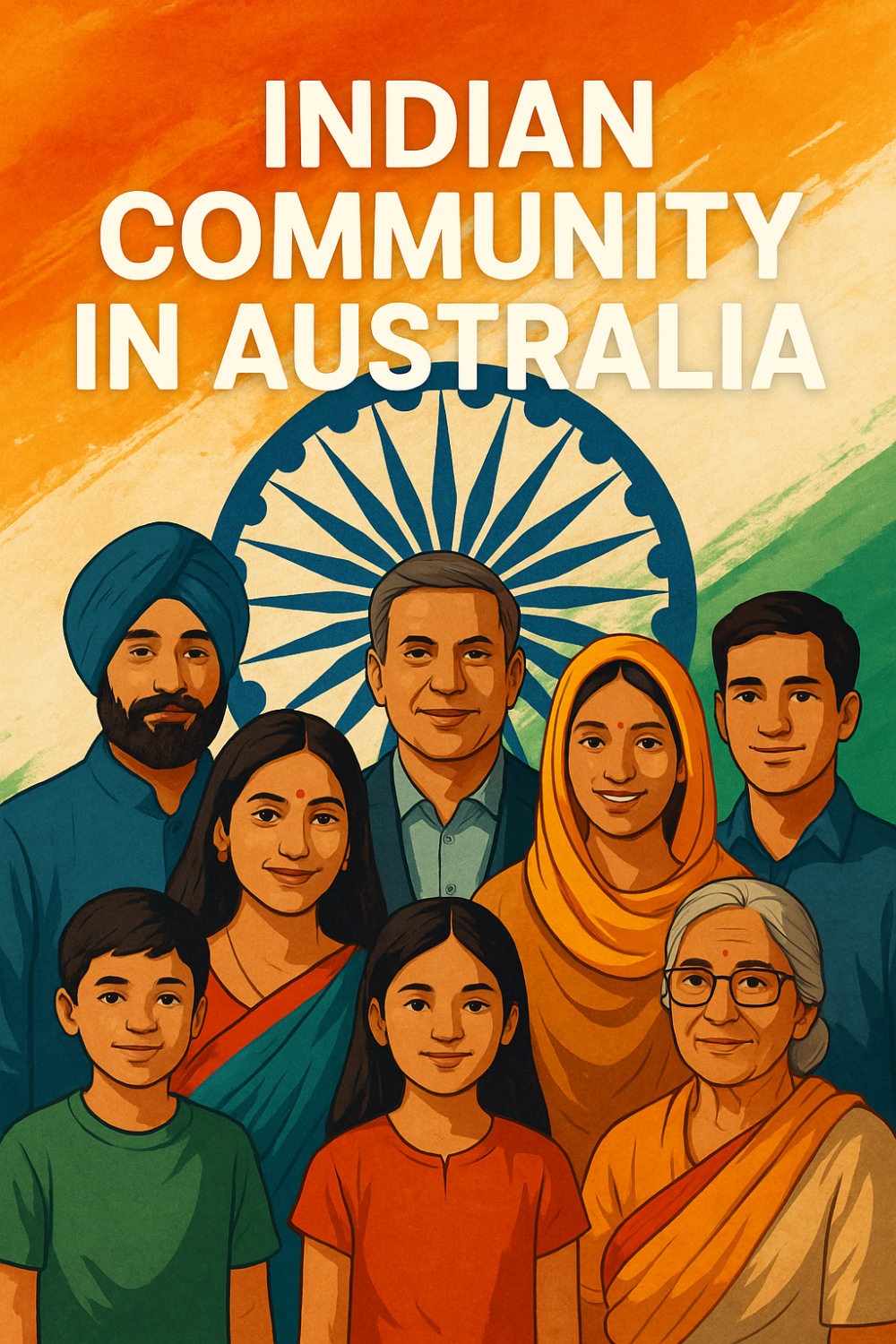
ऑस्ट्रेलिया में बसे भारतीय समुदाय ने हाल के दिनों में ABC और SBS द्वारा प्रसारित उन रिपोर्टों पर गहरी आपत्ति व्यक्त की है, जिनमें ऑस्ट्रेलियाई समाज में “सिस्टमिक कास्ट डिस्क्रिमिनेशन” यानी प्रणालीगत जातीय भेदभाव के दावे किए गए थे। समुदाय का कहना है कि इन रिपोर्टों में भारतीयों को गलत तरीके से चित्रित किया गया है और बिना किसी ठोस आधार के जातिगत भेदभाव को एक “व्यापक और संगठित समस्या” के रूप में प्रस्तुत किया गया है।
इंडियन ऑस्ट्रेलियन वॉइस (Indian Australian Voice) के अध्यक्ष अनुज कुलश्रेष्ठ ने मीडिया कवरेज को “तथ्यहीन, पुष्टाहीन और भारतीय समुदाय की छवि को आघात पहुँचाने वाला” बताया। उनका कहना है कि इन रिपोर्टों ने पूरे भारतीय समुदाय को ऐसे मुद्दों से जोड़ने की कोशिश की है, जिनका वास्तविकता से कोई संबंध नहीं है।
कुलश्रेष्ठ ने कहा:
“ऐसी रिपोर्टिंग भारतीय समुदाय को गलत रोशनी में पेश करती है। वास्तविकता यह है कि ऑस्ट्रेलिया में पले-बढ़े भारतीय मूल के बच्चों को जाति जैसी अवधारणाओं के बारे में जानकारी तक नहीं होती। ऐसे में ‘सिस्टमिक’ भेदभाव के दावे पूरी तरह अतिरंजित और बेबुनियाद हैं।”
भारतीय समुदाय के वरिष्ठ सदस्यों ने बताया कि भारत से आए प्रवासी परिवारों की नई पीढ़ी—जो ऑस्ट्रेलिया में जन्मी और यहीं शिक्षित हुई है—जाति के ढाँचे को समझती ही नहीं।
उनके अनुसार, इस पीढ़ी का परिचय वैश्विक मूल्यों, विविधता, समान अवसर और पेशेवर संस्कृति से होता है, जहाँ जाति की कोई भूमिका नहीं होती।
समुदाय का यह भी कहना है कि मीडिया के ऐसे प्रस्तुतिकरण से ऑस्ट्रेलिया जैसे बहुसांस्कृतिक देश में अनावश्यक तनाव और गलतफहमी बढ़ सकती है। इससे भारतीय मूल के लोगों के प्रति धारणा में भी नकारात्मक प्रभाव पड़ सकता है।
कई सामुदायिक संगठनों ने चेताया कि पक्षपातपूर्ण रिपोर्टिंग न केवल भारतीयों की छवि को नुकसान पहुँचाती है, बल्कि बहुसांस्कृतिक सद्भाव पर भी प्रतिकूल असर डाल सकती है।
भारतीय संगठनों ने मीडिया हाउसों से आग्रह किया है कि संवेदनशील सामाजिक मुद्दों पर रिपोर्टिंग करते समय तथ्यों की गहन और निष्पक्ष जाँच अनिवार्य रूप से की जाए। उनका कहना है कि किसी समुदाय को एकतरफा आरोपों के आधार पर प्रस्तुत करना पत्रकारिता की निष्पक्षता के सिद्धांतों के विरुद्ध है।
इंडियन ऑस्ट्रेलियन वॉइस और अन्य सामुदायिक संस्थानों ने कहा कि वे सकारात्मक संवाद, पारदर्शिता और भारतीय समुदाय की सही छवि को लेकर मीडिया के साथ सहयोग करने के लिए हमेशा तैयार हैं।
उन्होंने जोर देकर कहा कि ऑस्ट्रेलिया में भारतीय समुदाय शिक्षा, पेशेवर उत्कृष्टता, व्यवसाय और सामाजिक योगदान में अग्रणी भूमिका निभाता है और इसके बारे में संतुलित और वस्तुपरक रिपोर्टिंग जरूरी है।
-------------------------
The Indian community living in Australia has strongly objected to recent reports aired by ABC and SBS, which claimed the existence of “systemic caste discrimination” within Australian society. Community leaders argue that these reports present a distorted and exaggerated picture of Indian Australians and unfairly link them with issues that do not reflect their lived realities.
Anuj Kulshrestha, President of Indian Australian Voice, criticized the coverage, calling it “factually incorrect, unsubstantiated, and damaging to the reputation of the Indian community.”
He stated that such media narratives attempt to portray the entire Indian community in a negative light without credible evidence.
Mr. Kulshrestha said:
“These claims are exaggerated and do not represent the Indian community in Australia. The truth is that children born and raised here have no understanding of caste. For them, caste is not even a subject of discussion — so the idea of ‘systemic’ caste discrimination is completely unrealistic.”
Members of the Indian community emphasized that the younger generation of Indian origin—born and educated in Australia—grows up in a multicultural environment where caste has no role.
They noted that these children are raised with values of equality, diversity, and professional integrity, making the media claims irrelevant and out of context.
Community representatives warned that biased or poorly researched reporting could fuel misunderstanding and create unnecessary tension in a multicultural society like Australia.
They added that such narratives could also negatively influence public perception about Indian migrants, despite their significant contributions to Australia’s economy, culture, and workforce.
Several community groups further cautioned that sensationalized reporting risks harming the spirit of multicultural harmony, which is a core value of Australian society.
Indian organizations have urged media outlets to adopt a balanced and impartial approach while reporting on sensitive social issues.
They stressed that no community should be singled out or misrepresented on the basis of selective or anecdotal claims.
Indian Australian Voice and other community bodies reiterated that they remain committed to constructive dialogue, transparency, and cooperation with media organizations.
They highlighted that the Indian community has consistently excelled in education, professional fields, business, and community service — and deserves to be represented fairly.